Tips for Creating a Cozy and Productive Home Office Space
Creating a cozy and productive home office space can make a significant difference in how you feel and perform during your workday. Whether you work remotely full-time or occasionally, having the right environment helps you stay focused, reduces stress, and encourages creativity. This guide will walk you through practical advice to design a workspace that feels inviting yet keeps you motivated.
Why a Cozy and Productive Home Office Matters
Your home office isn’t just a spot for your computer—it’s a place where productivity meets comfort. When your workspace supports your needs, you’re more likely to enjoy your work, meet deadlines, and maintain a healthy work-life balance. On the other hand, a cluttered or uncomfortable setting can lead to distractions, fatigue, and decreased efficiency.
1. Choose the Right Location
Selecting the ideal spot in your home is the first step.
– Natural Light: Position your desk near a window to benefit from daylight, which improves mood and alertness.
– Minimal Distractions: Pick a quiet area away from household noise or high-traffic zones.
– Space to Spread Out: Ensure you have enough room for your essentials without feeling cramped.
2. Invest in Comfortable Furniture
Comfort is key for long hours at your desk.
– Ergonomic Chair: Choose a chair that supports your back and encourages good posture.
– Appropriate Desk: Your desk height should allow your arms to rest at a 90-degree angle while typing.
– Adjustable Elements: Consider sit-stand desks or monitor stands to change positions throughout the day.
3. Use Effective Lighting
Good lighting reduces eye strain and brightens your space.
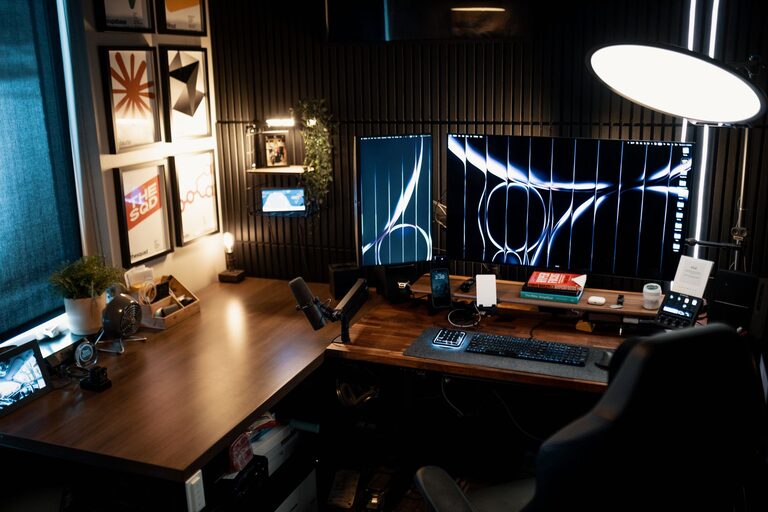
– Layered Lighting: Combine overhead lights with task lighting such as desk lamps.
– Warm vs. Cool Light: Soft, warm lighting feels cozy, while bright, cool light helps with concentration.
– Avoid Glare: Position screens to avoid reflections from windows or lights.
4. Organize Your Space
A tidy workspace helps you maintain focus.
– Declutter: Keep only essentials on your desk.
– Storage Solutions: Use shelves, drawers, and organizers to store supplies neatly.
– Cable Management: Use clips or covers to keep cords under control and reduce mess.
5. Personalize Your Office
Adding personal touches makes the space welcoming.
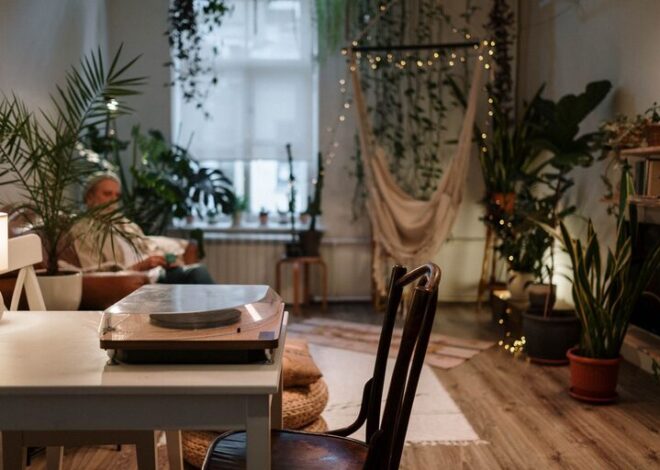
– Plants: Small indoor plants improve air quality and create a calming atmosphere.
– Artwork and Photos: Surround yourself with images or decorations that inspire you.
– Comfort Items: Incorporate cushions, rugs, or blankets to add warmth and texture.
6. Minimize Distractions
A distraction-free zone helps you stay in the zone.
– Noise Control: Use noise-cancelling headphones or white noise machines if needed.
– Designated Work Hours: Set clear boundaries with family or roommates to respect your work time.
– Digital Discipline: Limit notifications or use apps to block distracting websites during work hours.
7. Create Zones for Different Tasks
If space allows, divide your office into functional areas.
– Work Zone: For your computer and main tasks.
– Creative Zone: A spot for brainstorming with whiteboards or notebooks.
– Break Zone: A comfortable chair or nook where you can take short, restorative breaks.
8. Maintain Your Workspace Regularly
Consistency helps keep your office productive and cozy.
– Daily Tidying: Spend a few minutes daily to put things back in place.
– Periodic Cleaning: Dust surfaces and vacuum regularly.
– Refresh Your Layout: Occasionally rearrange furniture or décor to keep the space feeling fresh.
9. Optimize Technology Setup
Efficient technology supports smooth workflow.
– Reliable Internet: Ensure your connection is fast and stable.
– Quality Equipment: Invest in good headphones, keyboard, and mouse.
– Backup Solutions: Use cloud storage or external drives to keep your work safe.
Conclusion
Designing a home office that balances coziness with productivity takes thoughtful planning but pays off immensely. By choosing the right location, investing in comfort, organizing effectively, and adding personal touches, you create an environment that supports your best work. Remember to stay flexible and adjust your space as your needs evolve. A well-designed office not only enhances focus but also makes working from home a more enjoyable experience.