

Tips for Creating a Cozy and Productive Home Workspace
Creating a home workspace that is both cozy and productive can transform the way you work from home. Whether you’re a freelancer, remote employee, or simply need a dedicated area for handling personal tasks, a well-thought-out environment can help you stay focused and feel comfortable throughout your day.
In this post, we’ll explore effective tips to design a home workspace that promotes productivity while feeling welcoming and cozy.
Choose the Right Location
Selecting the perfect spot in your home is the first step. Consider these points when choosing your workspace location:
– Natural light: Position your desk near a window if possible. Natural light helps reduce eye strain and can boost mood.
– Quiet area: Find a quiet corner or room where distractions are minimized.
– Space availability: Make sure there is enough room for your equipment and supplies without feeling cramped.
If space is limited, even a small nook can be transformed into a functional workspace with the right furniture and organization.
Invest in Comfortable and Functional Furniture
Comfort plays a major role in productivity. Sitting for long periods in an uncomfortable chair can lead to discomfort and decreased focus. Here’s what to look for:
– Ergonomic chair: Choose a chair that supports your lower back and encourages good posture.
– Desk size: A desk with enough surface area for your computer, paperwork, and other essentials helps keep everything within reach.
– Adjustable furniture: Consider adjustable desks or chairs that allow you to switch between sitting and standing.
Remember, comfort doesn’t mean sacrificing functionality. Look for furniture that combines both to maintain efficiency.
Optimize Lighting
Good lighting reduces eye strain and keeps you alert. Follow these tips to optimize lighting in your workspace:
– Balance natural and artificial light: Use a combination of window light and desk lamps.
– Avoid glare: Position screens perpendicular to windows and use adjustable blinds or curtains.
– Use warm or daylight bulbs: Lighting that mimics natural daylight supports alertness and maintains a cozy atmosphere.
Proper lighting is critical to creating a space where you can work comfortably for hours.
Organize with Purpose
Clutter can be a major distraction. Keeping your workspace neat helps the mind stay focused and reduces stress.
– Use storage solutions: Shelves, drawers, and organizers keep supplies out of sight but easily accessible.
– Declutter regularly: Set aside time weekly to tidy your workspace and remove items you no longer need.
– Limit desktop items: Keep only essential tools on your desk, such as your computer, notebook, and writing instruments.
An organized space also encourages you to maintain routines and increases overall productivity.
Add Personal Touches for Comfort
A workspace doesn’t have to feel sterile to be productive. Adding a few personal touches helps create a cozy environment:
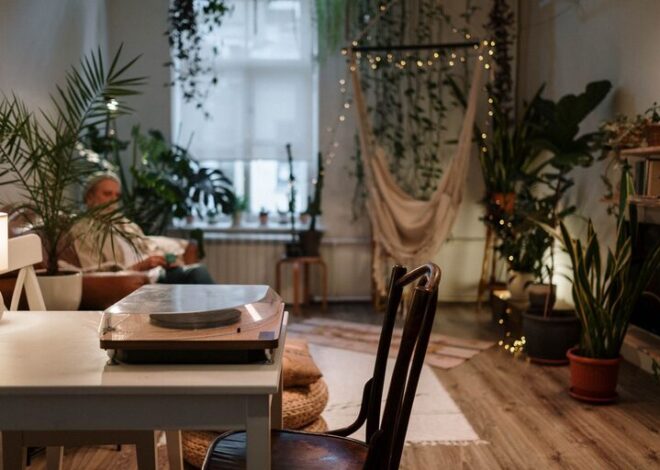
– Plants: Small indoor plants improve air quality and add a calming natural element.
– Artwork or photos: Visual pieces that inspire or comfort you can boost mood and motivation.
– Soft textiles: A comfortable cushion or throw blanket adds warmth, especially during colder months.
Personalizing your workspace makes it a place you look forward to being in each day.
Reduce Noise and Distractions
Sound can impact concentration significantly. Here’s how to manage noise in your home workspace:
– Noise-cancelling headphones: Use these to block out distractions when needed.
– Soft background music: Some find instrumental or ambient music helpful for focus.
– Communicate boundaries: If you live with others, set clear work hours and areas to minimize interruptions.
A calm auditory environment supports deep focus and task completion.
Establish Routine and Boundaries
Productivity is not just about the space—it’s also about how you use it.
– Set work hours: Define when your workday starts and ends to avoid burnout.
– Take breaks: Schedule regular short breaks to move, stretch, and rest your eyes.
– Separate work from leisure: Avoid using your workspace for unrelated activities to maintain mental clarity.
Clear routines and boundaries help your mind associate the workspace with work, making it easier to focus.
Use Technology Wisely
Leverage technology to improve comfort and productivity:
– Cable management: Keep cords organized to prevent tangles and clutter.
– Good internet connection: Ensure reliable and fast internet for video calls and online work.
– Productivity tools: Use apps and software for task lists, time management, and communication to stay on track.
Keep your tech organized and optimized to support your workflow without adding stress.
Keep It Flexible and Evolving
Your needs may change over time, so design your workspace to be adaptable.
– Modular furniture: Pieces you can move or rearrange easily help you refresh the space.
– Open to change: Periodically reassess your setup and make adjustments to improve comfort or efficiency.
– Stay inspired: Try new accessories, change colors, or rearrange décor as your taste and work habits evolve.
A flexible workspace encourages ongoing productivity by fitting you, not the other way around.
—
By thoughtfully combining comfort, organization, and functionality, your home workspace can become a place you enjoy spending time in while getting things done efficiently. Implement these tips little by little and notice how your daily work routine improves both in comfort and productivity.

Related Posts

How to Create a Cozy Reading Nook in Your Home
Simple Ways to Create a Cozy and Inviting Home Environment